At SGMRELAX, we deliver a premium massage experience with a team of professionally trained therapists dedicated to every last detail. Let us help you release all tension and restore your balance after long, demanding days.
 Group: Telegram


At SGMRELAX, we deliver a premium massage experience with a team of professionally trained therapists dedicated to every last detail. Let us help you release all tension and restore your balance after long, demanding days.
Group: Telegram
In our modern, fast-paced world, the weight of the day often finds a home in one specific place: your shoulders. Whether you are hunched over a laptop, navigating a stressful commute, or dealing with the physical toll of an active lifestyle, your shoulders act as a physical repository for stress and tension. But have you ever stopped to wonder, what does a shoulder massage do beyond just feeling good in the moment?
At sgmsrelax.com, we believe that understanding the physiological and psychological impact of bodywork is the first step toward true wellness. A shoulder massage is far more than a luxury; it is a sophisticated therapeutic intervention that influences your nervous system, muscular architecture, and emotional state.
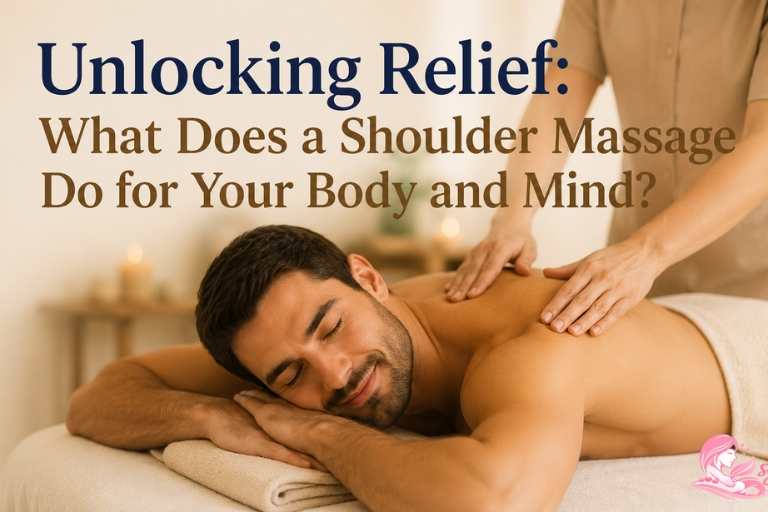
Before diving into the benefits, it is helpful to understand why the shoulder girdle—comprising the trapezius, deltoids, rotator cuff, and surrounding connective tissue—is so prone to discomfort. These muscles are responsible for an incredible range of motion, from lifting and pulling to stabilizing our upper body during sedentary tasks.
When we experience stress, the body’s “fight or flight” response triggers the trapezius muscles to lift and tighten, bracing for impact. Over time, this chronic activation leads to stiff shoulders, painful trigger points, and restricted range of motion. This is where therapeutic shoulder massage becomes essential.
When a skilled therapist applies pressure to these areas, a cascade of positive biological events occurs. Here is a breakdown of how this therapy transforms your physical state.
If you need a relaxation service, you can contact us here: massage central, singapore

One of the primary ways a shoulder massage works is by stimulating blood flow. As the therapist manipulates the muscle fibers, the mechanical pressure helps widen the blood vessels, which improves blood circulation to the affected area. This increased blood flow to shoulders brings essential oxygen and nutrients to damaged tissues, facilitating muscle recovery therapy and helping clear out metabolic waste products like lactic acid that cause soreness.
For those suffering from tight shoulder muscles massage, the primary goal is the release of tension. By utilizing specific techniques like trigger point release or deep tissue shoulder massage benefits, a therapist can identify and deactivate “knots.” These knots are essentially hyper-irritable spots in the fascia—the connective tissue wrapping your muscles. By applying consistent, controlled pressure, the therapist encourages these fibers to release, which effectively reduces muscle tension and provides significant shoulder pain massage relief.
If you have ever felt like you couldn’t fully rotate your arm or reach behind your back without discomfort, you are likely experiencing the effects of restricted fascia. A targeted shoulder massage helps break down adhesions within the connective tissue. By improving shoulder mobility and flexibility, you can move with greater ease and lower the risk of future injury. This is particularly beneficial for those seeking massage for frozen shoulder or general shoulder stiffness.

You might ask, what does a shoulder massage do for my mood? The connection between the body and mind is undeniable.
Stress Relief and Cortisol Management
Chronic stress forces the body to produce high levels of cortisol. A dedicated stress relief massage—specifically one focused on the neck and shoulders—sends a signal to the parasympathetic nervous system to “rest and digest.” As the body relaxes, cortisol levels drop significantly. This makes shoulder massage for stress relief one of the most effective non-pharmacological ways to manage anxiety.
Improved Sleep Quality
Many of our clients report that a calming shoulder massage is their secret weapon for a better night’s rest. By calming the nervous system and easing the physical “armoring” of the muscles, the body can transition into a deeper, more restorative sleep state.
Exploring Specialized Techniques
Not all massage is the same. Depending on your needs, a therapist may employ different styles to achieve specific outcomes:
Yes. By addressing the root causes—such as inflammation, muscle tightness, and trigger points—massage acts as a powerful tool for pain management. It can be particularly effective for tension headache relief, as neck and shoulder tension are often the culprits behind these headaches.
Absolutely. Many people suffer from “office syndrome,” where the shoulders roll forward due to weak back muscles and tight pectorals. A therapeutic massage releases the tight muscles in the front and back of the shoulders, allowing your chest to open and your posture to align naturally.
During your session, your therapist will assess your specific areas of concern. They will likely use a combination of effleurage (gliding) and petrissage (kneading) to warm up the tissue before moving into deeper work. You will feel a sense of warmth as blood circulation improves and a gradual “letting go” sensation as the muscles relax.
To get the most out of your sessions, consistency is key. What does a shoulder massage do if you only go once a year? It offers temporary relief. However, integrating massage into your self-care routine—perhaps once or twice a month—allows for structural changes. It teaches your nervous system how to stay relaxed and helps prevent the buildup of tension that leads to chronic pain.
Whether you are seeking a massage for office workers to combat the 9-to-5 grind, or looking for a way to recover after a heavy lifting session at the gym, the benefits are universal. The combination of improved physical health, reduced stress, and increased flexibility makes this an essential practice for a high-quality life.
At sgmsrelax.com, we are committed to helping you understand your body’s needs. If you are struggling with discomfort, remember that you don’t have to carry the weight of the world on your shoulders—literally. Professional bodywork can help you release the past, recover your mobility, and move forward with lightness and ease.
Are you ready to experience the transformative power of professional bodywork for your shoulder health?
 Your IP Address : 216.73.217.42
© 2026 SGms Relax. All Rights Reserved.